The Founding Plan
Blue's Bunny Kingdom is raising roughly $1.43 million to open a cage-free rabbit sanctuary in Southern California, then approximately $386,000 a year to run it. This page lays out every figure, what each one buys, and what has to be true before a single rabbit arrives.
Three steps
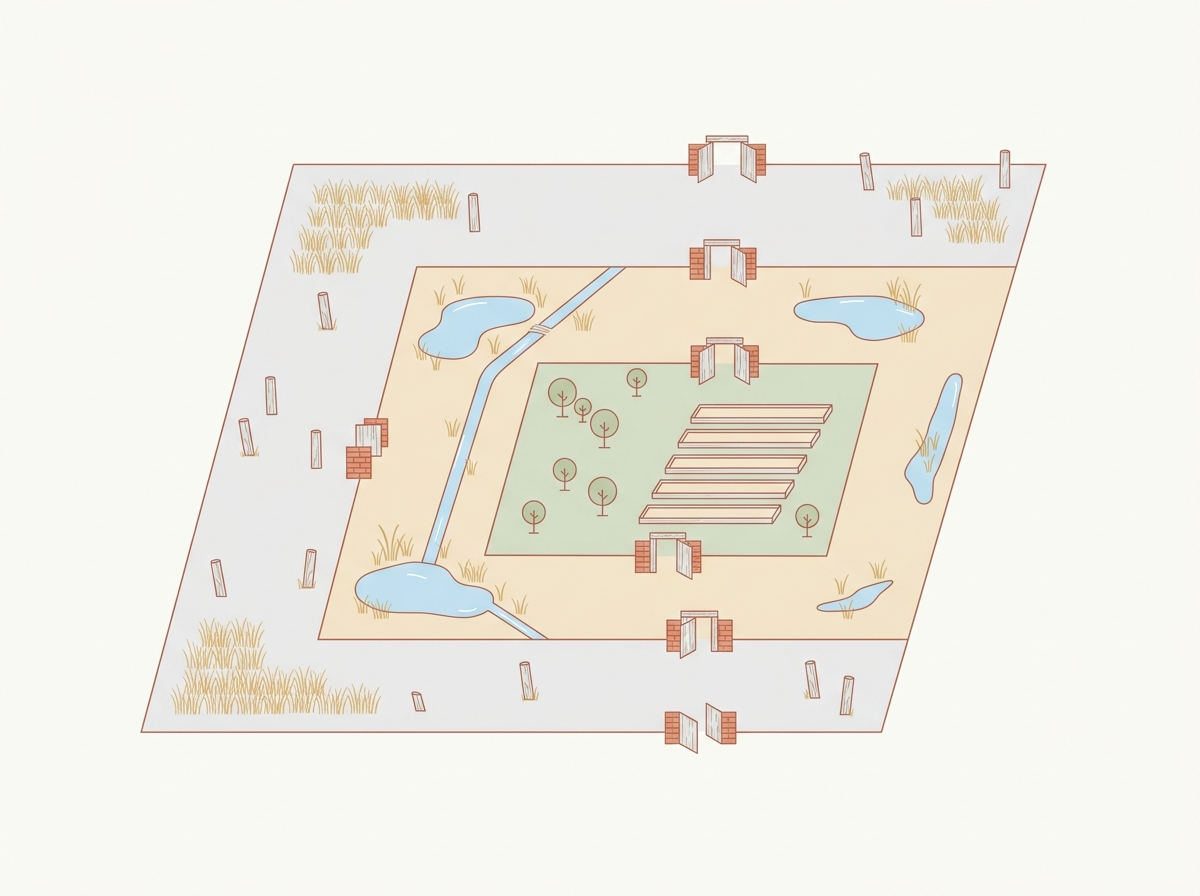
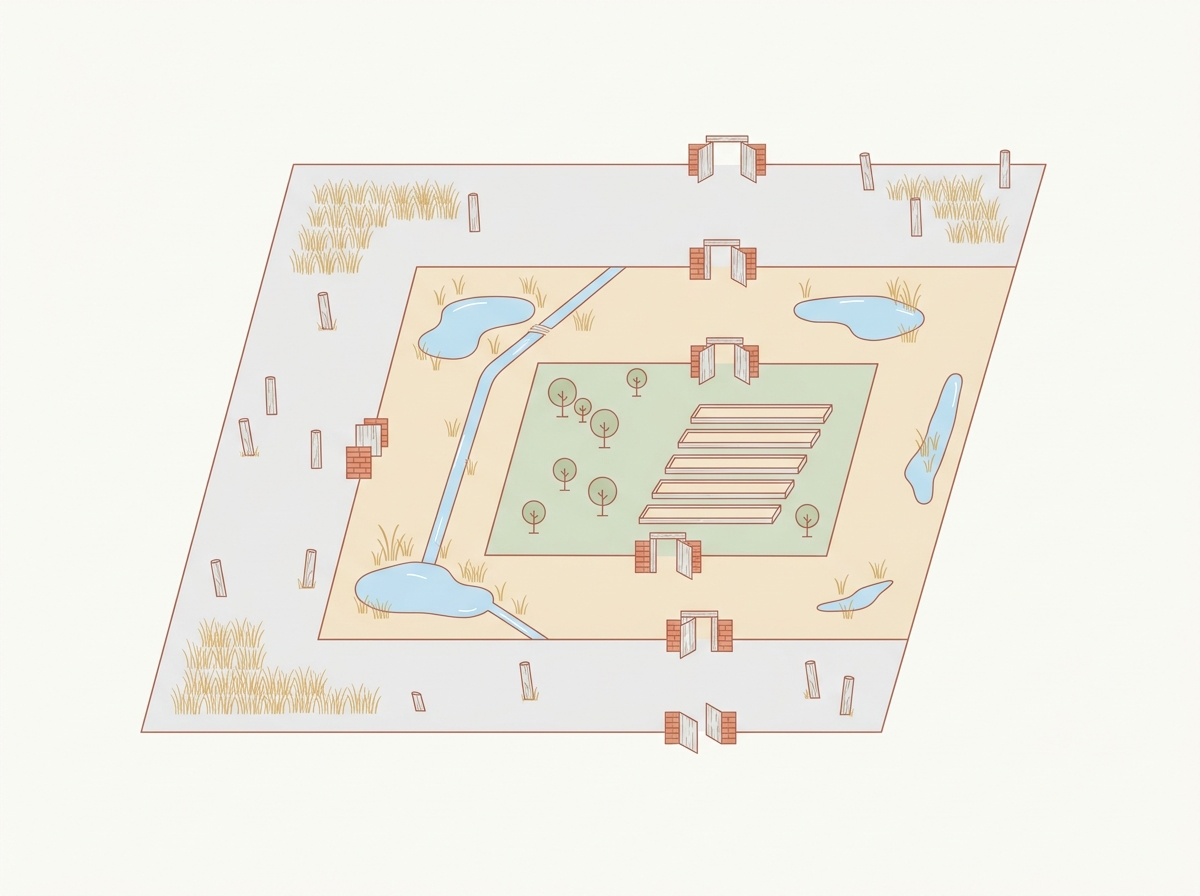
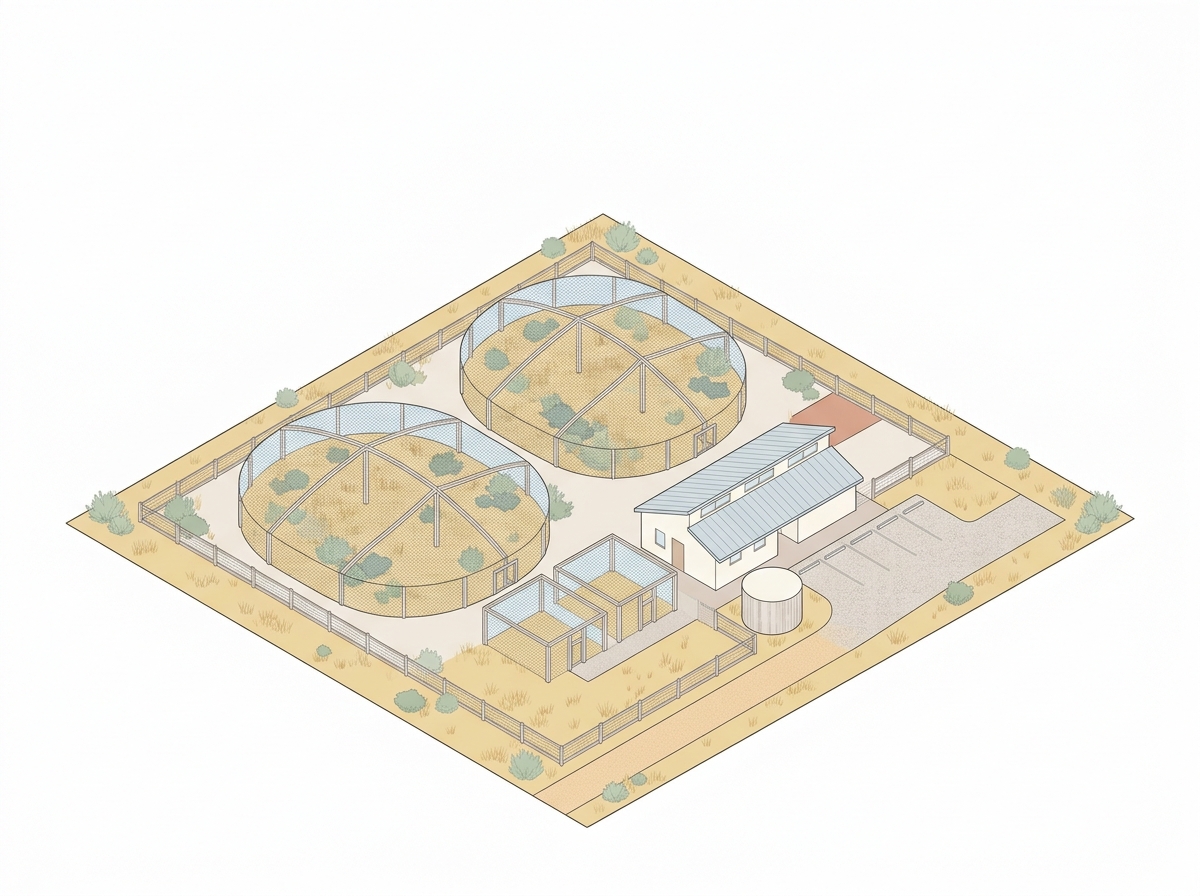
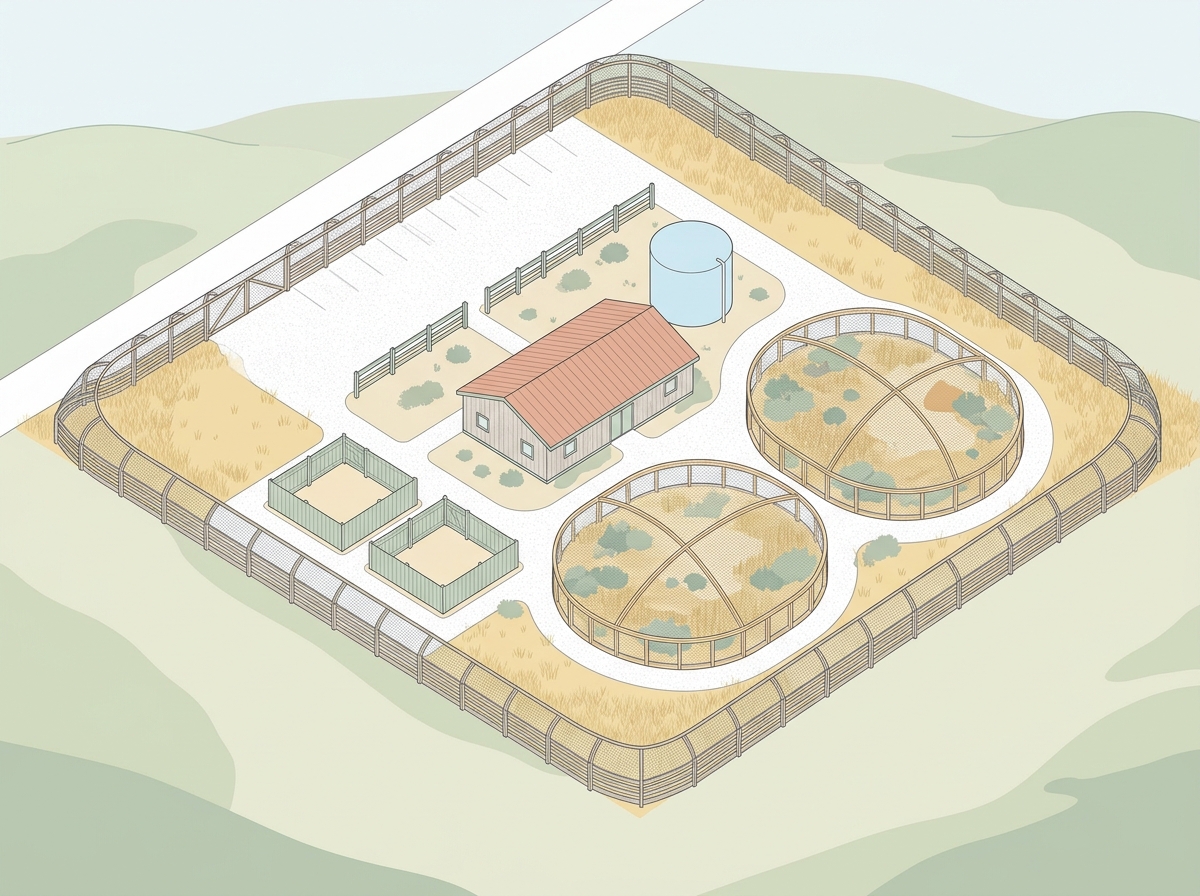
We open small and grow deliberately. Each step is a working sanctuary, not a construction phase.
| Measure | Step One | Step Two | Step Three |
|---|---|---|---|
| Rabbits | 27 rabbits | 82 rabbits | 138 rabbits |
| Habitats | The Warren | The Commons opens | The Commons fills |
| Cost per rabbit, per year | $5,485 | $3,515 | $2,794 |
The cost per rabbit falls by half between the first step and the third. Insurance in a fire zone, California labor, compliance and veterinary care form a fixed floor that does not shrink with the population. Twenty-seven rabbits is a milestone. It is not a place to stay.
The four campaigns
These are planned figures, not amounts raised.
| Campaign | Target | What it delivers |
|---|---|---|
| Ground for Blue | $400,000 | Two and a half to four acres |
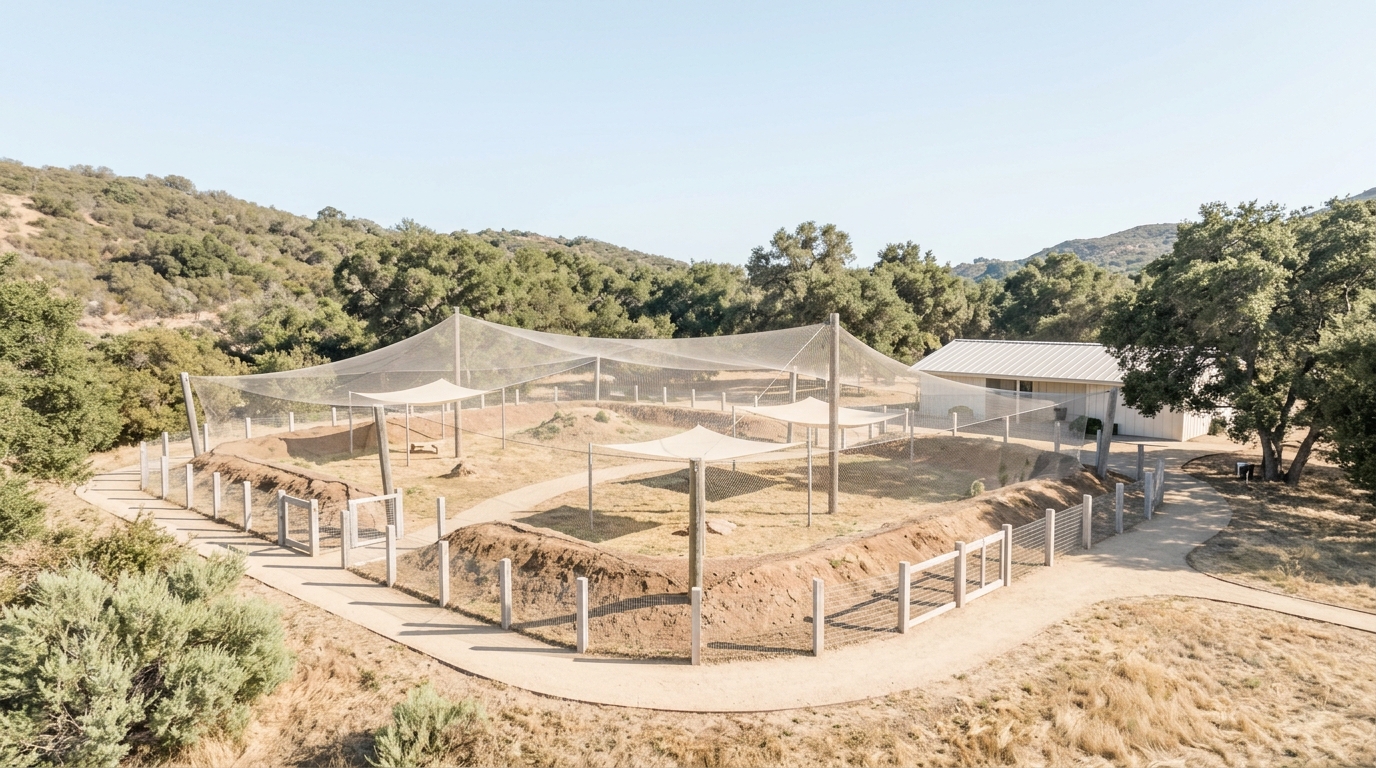
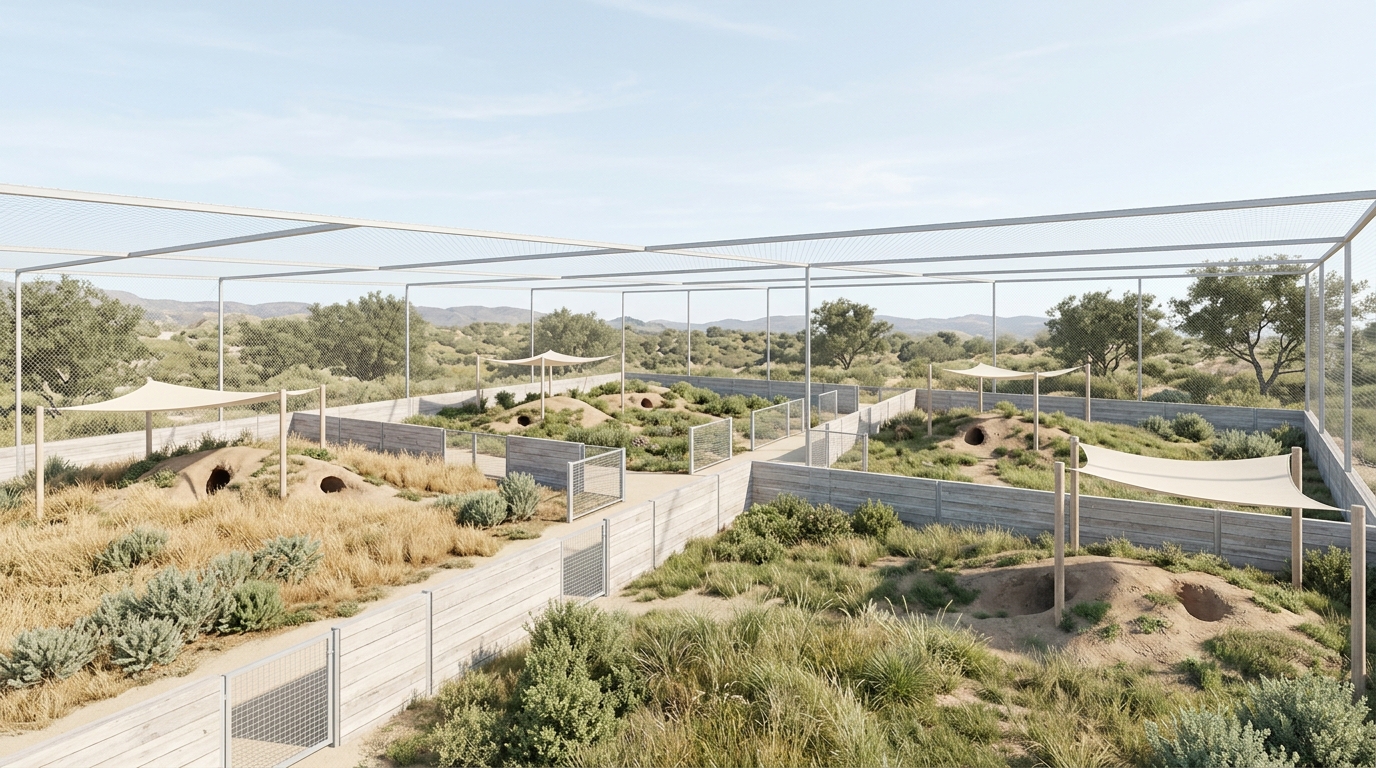
| Open the Gate | $320,000 | Site, permits, fire infrastructure, The Warren |
| Raise the Commons | $550,000 | The Commons and the climate refuge |
| The Visitor Center | Years four and beyond | Education and event space |
What it costs to run
$386,000 a year at 138 rabbits. Roughly $2,794 per rabbit.
Hay, greens, pellets, veterinary care, RHDV2 vaccination twice yearly, insurance in a Very High Fire Hazard Severity Zone, water, labor, brush clearance, and the audit and filings a public charity owes.
We publish this before asking you to fund it. Most sanctuaries raise enough to build and quietly run out of money to operate, and the rabbits pay for that.
Board policy
No rabbit arrives until the three-month operating reserve and the emergency veterinary fund are both funded in full. This is board policy, it is published, and it is not subject to enthusiasm.
Three-month operating reserve
Emergency veterinary fund
Land
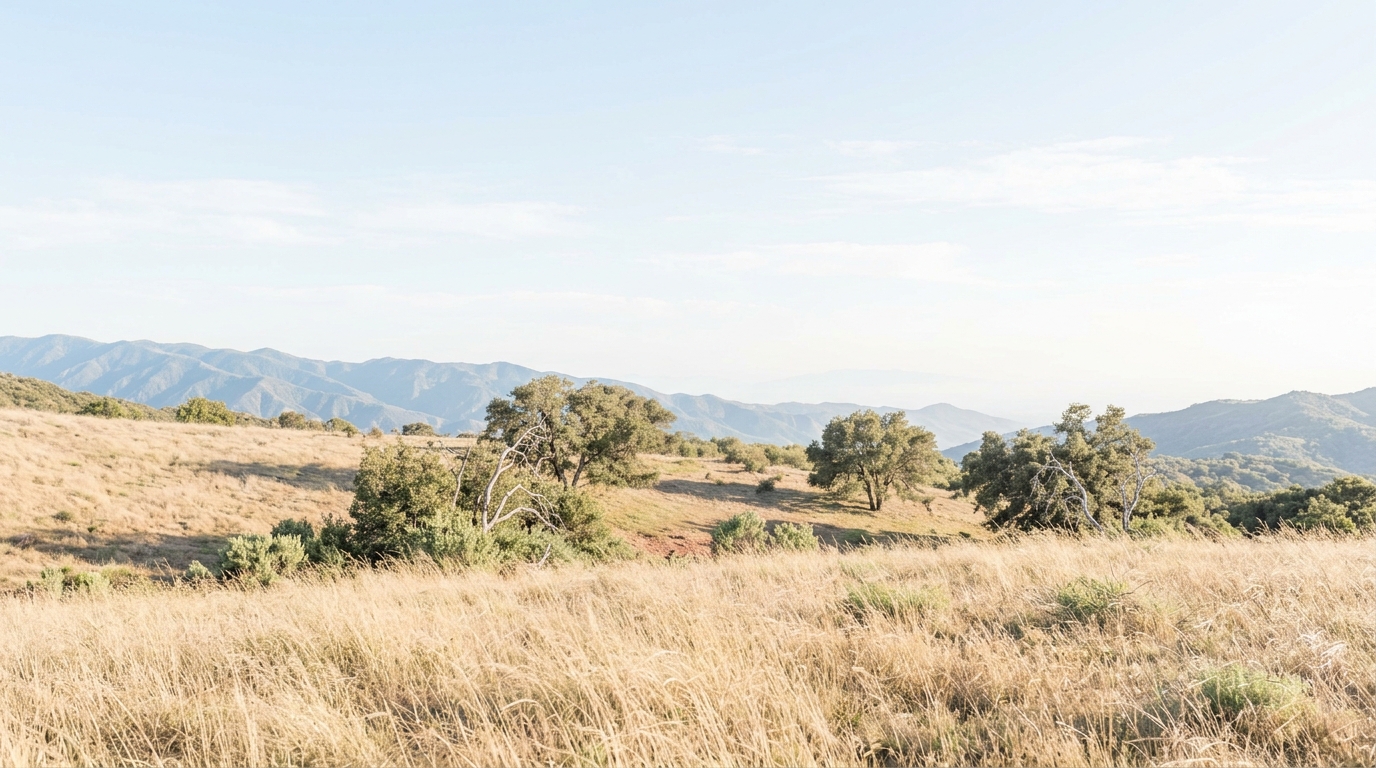
We are pursuing a land donation or bargain sale first. Parcels near Agoura Hills run between $93,000 and $141,000 an acre, and this region holds a great many owners of undeveloped land with decades of unrealized gains. For the right landowner, a gift or discounted sale to a public charity can be worth more after tax than a full-price sale.
If you own land, or advise someone who does, we would like to talk.
Step One, itemized
| Line | Range |
|---|---|
| The Warren habitat | $23,800 to $53,800 |
| Fire-rated roof mesh | $1,350 to $3,375 |
| Cooling and deep shade | $12,000 to $30,000 |
| Quarantine and bonding yard | $9,600 to $21,600 |
| Intake building | $11,700 to $31,200 |
| Water, septic, power | $25,000 to $90,000 |
| Fire infrastructure | $15,000 to $50,000 |
| Evacuation equipment | $8,000 to $20,000 |
| Permits and entitlement | $40,000 to $120,000 |
The habitat itself is the smallest line. Almost everything else is the site, the county, and the fire zone.